
Slab Leaks: Warning Signs, Causes, and How They’re Repaired
Slab leaks are water leaks in the pipes that run beneath a home’s concrete foundation. Since the leak is hidden under the concrete slab, it can easily cause thousands of dollars in foundation, flooring, and mold damage before it is noticed. Therefore, a licensed plumber is typically required to detect and repair slab leaks. Luckily, many plumbers offer slab leak services in Louisville and Lexington, KY, including Dauenhauer Plumbing.
We’re going to explain the most common warning signs of slab leaks, what causes them, and how to stop them from damaging your property.
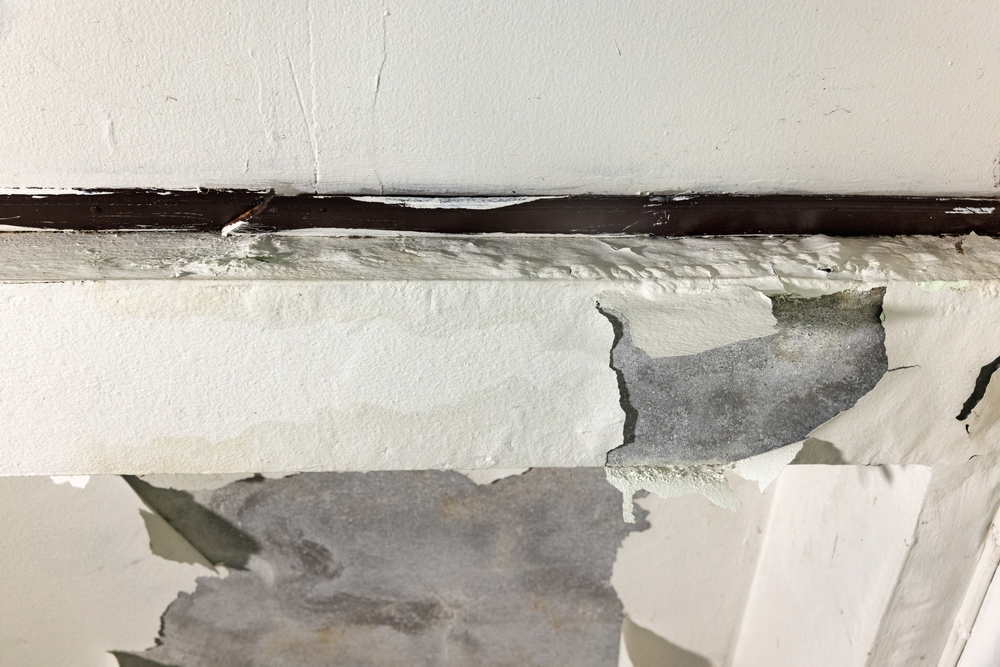
What Are the Warning Signs of a Slab Leak?
As a homeowner, it’s important to know how to detect a slab leak so you can catch it early. The most common signs of a slab leak include:
- High water bills: An unexplained spike in your water bill is a good indicator that you may have a slab leak that’s wasting water. Household leaks can account for 10,000 gallons of wasted water each year.
- Sound of running water: If all your fixtures are off and you still hear running water, it indicates that there may be a leak under your foundation.
- Warm or wet floor spots: If you notice wet or hot spots on the floor in your home, it could be due to water running underneath the slab.
- Low water pressure: Low water pressure can occur when you have a slab leak because pressurized water escapes before reaching your fixtures.
- Mold or mildew smell: Musty odors can be a sign that an underground pipe is leaking and causing mold or mildew to grow within drywall, porous flooring, or carpet.
If you notice multiple signs at once, shut off your water and call a plumber immediately, because slab leaks worsen quickly and can cause substantial damage.
What Causes Slab Leaks?
In Kentucky, slab leaks are often found in older homes with aging copper or galvanized pipes. As pipes deteriorate over time, pinhole leaks can escalate into full-blown slab leaks and cause significant structural damage to properties.
The local area’s hard water accelerates pipe corrosion, as high mineral content speeds up pipe corrosion and weakens pipe walls. This corrosion can lead to foundation water leaks in your main water line. Water softeners can help decrease the risk of slab leaks by preventing mineral buildup.
Since Kentucky also experiences freeze-thaw cycles, soil movement can contribute to abrasion against concrete. When soil repeatedly freezes and expands in winter then contracts in the warmer months, it shifts beneath the foundation, creating friction against buried pipes.
Older neighborhoods in Elizabethtown, Lexington, and Louisville feature numerous homes that are built on concrete slabs, making residents in these areas particularly vulnerable.
How Are Slab Leaks Detected & Repaired?
Plumbers locate a slab leak without tearing up the floor by using electronic leak detection, acoustic listening equipment, and thermal imaging to pinpoint the exact spot under the concrete. Accurate detection is what keeps the repair targeted — once the leak is located, the plumber only has to access the small area directly over it instead of demolishing the whole floor.
From there, the right repair depends on where the leak is and the condition of the pipe. The four main options:
| Method | How it works | Best when |
| Re-piping / rerouting | New line bypasses the damaged pipe through walls or ceilings; no slab demolition | A single isolated pipe segment is leaking |
| Trenchless (lining / bursting) | A new liner cures inside the old pipe, or a new pipe is pulled through it; minimal digging | Accessible runs where you want least disruption |
| Tunneling under foundation | Crew tunnels beneath the slab to reach the pipe, leaving floors intact | Leak is reachable from below; want to protect interior |
| Breaking through the slab | Concrete is opened directly over the leak to repair the pipe | Other methods aren’t viable; most disruptive option |
A Dauenhauer plumber recommends the least invasive method that will reliably fix the leak, so you avoid unnecessary floor demolition wherever possible.
Why Choose Dauenhauer for Slab Leak Repair?
If you need slab leak repair in Louisville, Lexington, or the surrounding areas, Dauenhauer Plumbing can assist.
Trusted Local Plumbers
Our plumbers are fully licensed and insured for peace of mind. Each has completed extensive training on slab leak detection and repair, so you can trust that we’ll get the job done right. We understand our customers’ challenges and truly care about serving our local community.
24/7 Emergency Availability
With four locations across Kentucky, we’re always nearby! All our locations are open for calls and appointments 24/7. If you have an emergency plumbing issue in Louisville, Lexington, Shelbyville, or Elizabethtown, we’ll be there in no time.
Flexible Financing
We are also proud to offer flexible financing to our customers for major plumbing repairs. Learn more about our financing options.
Contact us for slab leak repair in Central Kentucky. Our trained technicians are ready to assist in detecting and repairing slab leaks in the local area. Call (502) 706-6743 for emergency service or schedule online.
Frequently Asked Questions
Is a slab leak covered by homeowners’ insurance?
Yes, homeowners’ insurance typically covers water damage from a sudden slab leak, but not the pipe repair or damage from gradual wear and tear. Catching and reporting the leak early gives you the best chance of a successful claim because many slab leaks come from gradual corrosion.
Are slab leaks expensive to fix?
Slab leaks can be costly to fix, especially if they aren’t caught early. However, the total cost depends on the repair methods used and location of the leak. Dauenhauer Plumbing offers flexible financing options, so you don’t have to worry about paying a lump sum upfront.
What happens if you don’t fix a slab leak?
If you ignore a slab leak, you risk severe structural damage to your home’s foundation. This damage can include cracking, shifting, or sinking. Slab leaks also may cause dangerous health risks due to mold growth, which can spread through walls and flooring.
What is the best way to fix a slab leak?
The best way to fix a slab leak depends on the location of the leak and condition of your underground pipes. Slab leak solutions include tunneling, breaking through the concrete slab, re-piping or re-routing, and trenchless pipe bursting or lining.
Is a slab leak a big deal?
Yes. A slab leak can lead to serious consequences if left unresolved. Slab leaks occur in the hidden water pipes under your home’s foundation and can impact the supporting soil. Consequences range from toxic mold growth to foundation cracks.


