
Does Lowering the Thermostat Cool My Home More Quickly?
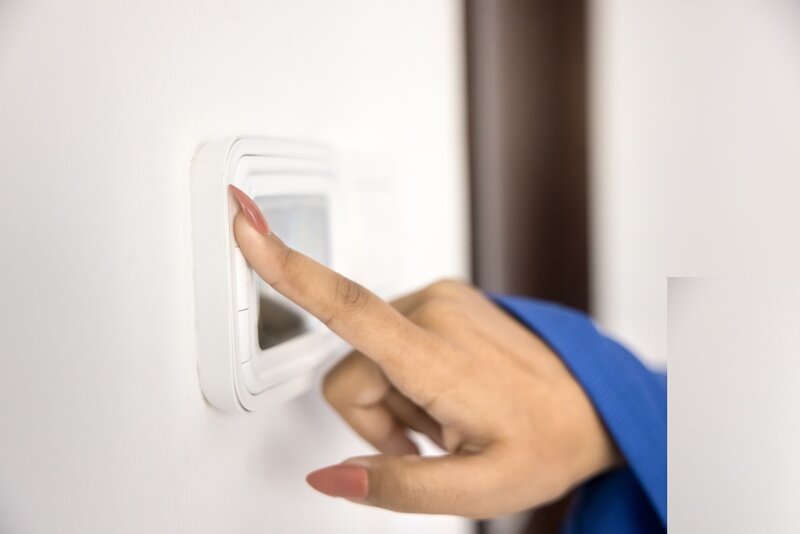
If you’re sweating through a hot summer day, your first instinct might be to crank the thermostat down to 60°F. But is it true? Does turning the thermostat down make it colder faster?
Unfortunately, no. The truth is, all it does is make your system run longer. HVAC systems cool at a fixed rate, regardless of how low you set the thermostat. Lowering the temperature setting doesn’t speed things up; it only increases runtime.
Let’s explore how thermostats work, why setting them lower doesn’t make your cooling faster, and what you can do instead to cool your home more efficiently.
Table of Contents
How Does a Thermostat Work?
Your thermostat is the command center for your HVAC system. When you set a temperature, the thermostat signals your air conditioner to start cooling until that indoor temperature is reached.
But here’s the catch: your AC doesn’t have different speeds—it’s either on or off. Lowering the temperature doesn’t make it cool faster. It just causes the unit to run longer.
It’s easy to see why people assume turning the thermostat way down will make your home colder faster. It feels logical, like stepping on a car’s gas pedal to go faster. But a thermostat isn’t a throttle; it’s more like a light switch. No matter how low you set it, your AC will cool at the same steady pace. All you’re doing is telling it to run longer—not harder or faster.
Now, smart thermostats are a different story when it comes to convenience. They don’t make your system cool quicker, but they do help you stay comfortable without constantly adjusting settings.
Modern thermostats offer features like:
- Programmable schedules
- Zoned cooling
- Adaptive learning
- Filter change reminders
These functions improve managing your home’s temperature much easier, but none of them make your system cool faster on command.
The Results of Turning Down Your Thermostat to Cool Faster
A lot of people think that cranking their thermostats to a lower temperature than needed will make their home’s cooling system work faster. That’s not how it works.
Dropping your temperature lower than you need makes your system run for longer than necessary. This increases the wear and tear on your HVAC system, resulting in inefficiency and potential malfunctions.
Here’s an overview of what happens when you turn down your thermostat too far:
- Longer run times: Your AC keeps running until it reaches the low target temperature, even if that temperature is colder than what’s comfortable.
- Higher energy bills: More runtime means more electricity consumption—and bigger bills.
- Increased wear and tear: Longer operation can overwork your system, shortening its lifespan.
- Discomfort: You might end up too cold or stuck in a freezing house if you forget to adjust the thermostat back up.
Lowering your thermostat isn’t like stepping on a car’s gas pedal—it won’t make the cool air kick in any faster. What it will speed up is energy waste and potential wear on your HVAC system.
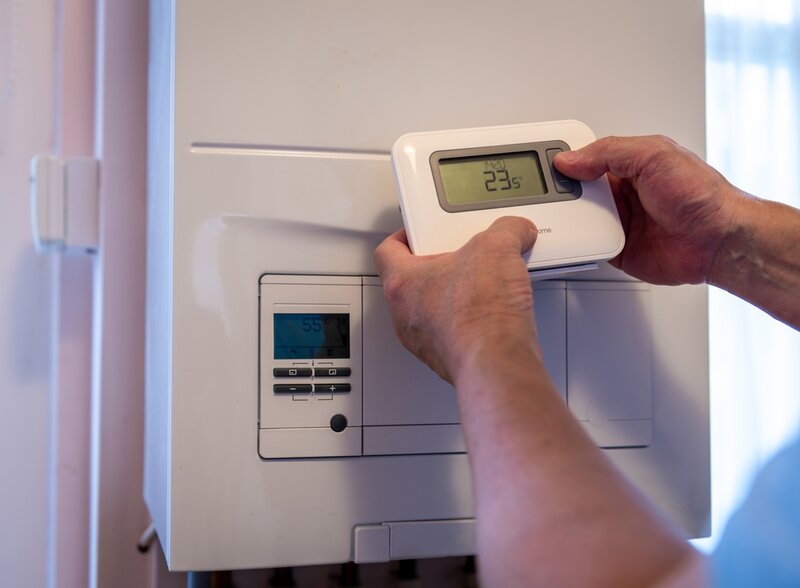
The Dangers of a Low Thermostat
Setting your thermostat lower than necessary doesn’t just waste energy—it can also harm your HVAC system and your indoor comfort.
1. System Overload
When your air conditioner runs longer than needed, it experiences more strain. This can lead to overheating, breakdowns, or the need for early replacement.
2. Humidity Issues
While having a really cold house might be your preference, it is not ideal for your home. Excessively cold indoor air can cause condensation on windows and walls. Over time, this moisture creates an ideal environment for mold and mildew to begin growing and spreading.
3. Uncomfortable Indoor Air
Rooms can become too cold, especially at night. This leads to inconsistent comfort, freezing in one area, and being warm in another.
4. Furnace Confusion in Dual Systems
In some HVAC systems, cooling and heating components are shared. Setting the cooling temperature too low may confuse these systems, causing unexpected cycles.
If your AC starts short-cycling (frequent on/off cycling), this is a red flag of thermostat misuse or poor system calibration. For these types of issues, reach out for emergency HVAC services.
Understanding the 20 Degree Rule for Air Conditioning
A helpful guideline used by HVAC professionals is the 20-degree rule. This rule explains the cooling capacity limits of your air conditioning system and why setting extremely low temperatures can be problematic.
Simply put, your air conditioner is designed to cool indoor air by no more than 20°F below the outdoor temperature. For example, if it’s 95°F outside, your AC can reasonably cool your home down to around 75°F. Trying to set it to 65°F isn’t just unrealistic—it pushes your system beyond its capabilities.
You’re probably thinking: why does this matter? Pushing beyond that 20-degree limit makes your air conditioner work harder, reducing efficiency and accelerating wear and tear. It runs longer without achieving the set temperature, which increases energy costs and accelerates wear on components.
If your system isn’t reaching the expected 20-degree difference, it could be a sign of a problem. That’s a good time to schedule an inspection or routine HVAC maintenance to keep your system running efficiently.

How Can I Cool My House Faster?
If setting the thermostat lower doesn’t help, what does?
Here are proven ways to cool your home more quickly—and more efficiently:
1. Close Blinds and Curtains
Allowing sunlight to enter the room might brighten it, but it also heats things up quickly. During the day, especially when the sun hits your south- or west-facing windows, keep the blinds or curtains drawn to block out that extra heat.
2. Use Ceiling Fans
Ceiling fans don’t lower the room temperature, but the air that they circulate does. Make sure your fans are spinning counterclockwise in summer for the maximum cooling effect.
3. Avoid Heat-Producing Appliances
Appliances like ovens, stoves, and dryers generate a lot of heat that can be circulated throughout your home. Try to avoid using them during the hottest parts of the day. Grill outside, use a microwave, or do a no-cook meal to keep your home nice and cool.
4. Seal Gaps and Insulate
If air is leaking in or out around windows, doors, or vents, your AC has to work overtime. Sealing gaps and adding insulation where needed can make a big difference in keeping the cool air in and the hot air out.
5. Replace Dirty Air Filters
A clogged filter restricts airflow, making your system work harder and cool less effectively. Check your filter monthly and replace it when necessary to keep your airflow strong and steady.
6. Schedule Regular Maintenance
Routine HVAC maintenance helps your system run efficiently while also identifying and addressing small issues before they escalate into major problems. It’s one of the easiest ways to keep your home comfortable during a hot summer.
7. Install a Smart Thermostat
A programmable or smart thermostat can automate temperature adjustments, helping you cool your home gradually and efficiently throughout the day.
By combining these steps, you can make your home feel cooler without straining your system or wasting energy. And the best part—it does it all without you having to lift a finger.
Dauenhauer: Your Trusted Partner for Thermostat & HVAC Services
At Dauenhauer, we help homeowners in Louisville and Lexington stay cool with smart, energy-efficient HVAC solutions. Whether you’re dealing with a stubborn thermostat, uneven cooling, or a system that struggles to keep up with rising temperatures, our expert team is here to help.
We specialize in thermostat replacement and calibration, smart thermostat installation, and comprehensive AC tune-ups and diagnostics. For those sudden issues, our emergency HVAC services are available to restore comfort quickly and reliably, whether it’s during the day or night.
Don’t waste time battling thermostat settings or guessing what’s wrong with your system. Contact Dauenhauer today for dependable service and expert guidance that keeps your home consistently comfortable all year round.


