
AC SEER Rating Guide: How Efficient is Your AC?
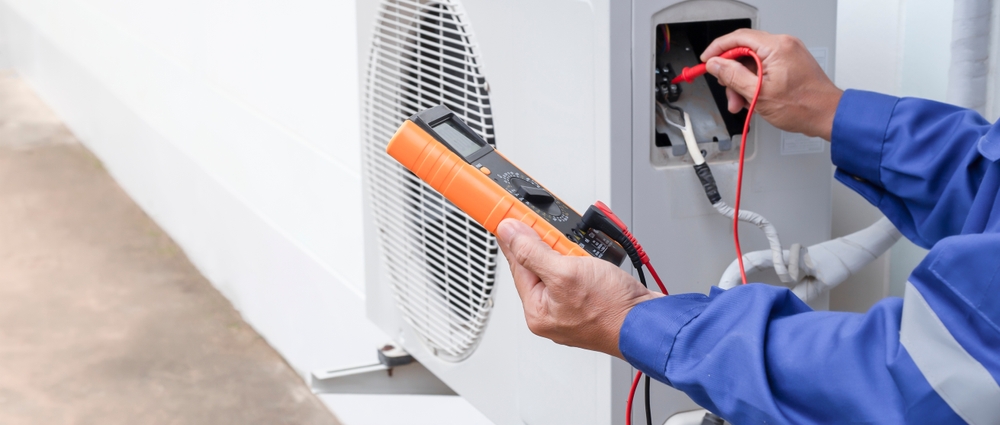
If you have been shopping around for a brand new air conditioner, you may have come across something called the SEER rating. While it may not be common knowledge for most, this rating is one of the most important aspects related to your AC system.
The SEER rating directly impacts how much energy your system uses, how well it cools your home, and how much you’ll pay in utility bills over time. Whether you’re trying to lower your summer expenses or wondering if it’s time for an upgrade, understanding AC SEER ratings can help you make smarter, more efficient choices.
In this guide, we’ll break down what exactly an AC SEER means, how it affects your system’s real-world performance, and how to know if your current system is helping or hurting your comfort and energy savings.
Table of Contents
What Does SEER Stand For and Why Does It Matter?
SEER stands for Seasonal Energy Efficiency Ratio. It’s a measure of how efficiently an air conditioner cools your home throughout a typical cooling season. Specifically, it’s the ratio of total cooling output (in BTUs) to the amount of energy consumed (in watt-hours).
Here’s what you need to know:
- A higher SEER rating = greater energy efficiency.
- Older systems may be rated as low as 10 to 13 SEER, while modern systems typically range from 14 to 20 SEER or higher.
- New federal standards have raised the minimum SEER rating in recent years to help reduce energy use and environmental impact.
This rating matters because it affects both your energy bills and your carbon footprint. For example, upgrading to a more efficient unit can mean less strain on your system during hot summers—and fewer dollars flying out the window on high electricity costs.
For homeowners across Kentucky, where summers are hot and humid, an appropriately sized and rated system can make all the difference in indoor comfort. If you’re unsure about your current AC’s SEER rating, a trusted air conditioning specialist like Dauenhauer Plumbing, Heating & Air can help assess your unit and guide you through better options.
What Is a Good SEER Rating for Your Home?
Finding a “good” SEER rating depends on a few key factors: your climate, energy goals, and how much you’re willing to pay upfront for long-term savings. Here’s a general breakdown:
| SEER Rating | Efficiency Level | Typical Use Case |
|---|---|---|
| 13-14 | Basic Efficiency | Older systems or budget replacements |
| 15-16 | Good Performance | Ideal for most homeowners in temperate to warm climates |
| 17-20+ | High Efficiency | Best for hot climates or energy-conscious upgrades |
In a state like Kentucky, summertime means long periods of heat and humidity. So having a unit rated between 15 and 18 SEER often strikes the best balance between cost and performance. If your current system is an older model below this range, running it may be costing you more than it’s worth in your monthly energy bills.
Even with a solid SEER rating, having the proper system size and installation is crucial.. A high SEER unit installed improperly can still underperform, especially if your ductwork is outdated or your home lacks insulation. That’s why it’s smart to work with professionals who offer full-system evaluations; that way, you can get a complete picture of your system before jumping into getting a new one.
How SEER Impacts Your Energy Bills
One of the most significant advantages of a higher SEER rating is the substantial savings it can provide on your energy bill. The difference in efficiency adds up fast, especially during long summer months when your AC is running more frequently.
A 16 SEER air conditioning system can be up to 30% more efficient than a 13 SEER model, potentially leading to significant savings—sometimes hundreds of dollars a year—depending on your usage and local energy rates. While high-efficiency units typically come with a greater upfront cost, the reduced utility bills over time often offset the initial investment.
Let’s say your current AC system is rated at 13 SEER, and you upgrade to a 17 SEER unit. That improvement could cut your energy usage by about 25% and in just a few years, your new unit may pay for itself. Many energy-efficient units also qualify for rebates or tax credits, helping to offset that initial cost.
If you’ve noticed a skyrocketing energy bill or a system that’s constantly running, it might be time for a professional evaluation. Dauenhauer can help you explore high-efficiency upgrades that match both your comfort and budget goals, as well as provide repairs in the event of an emergency.
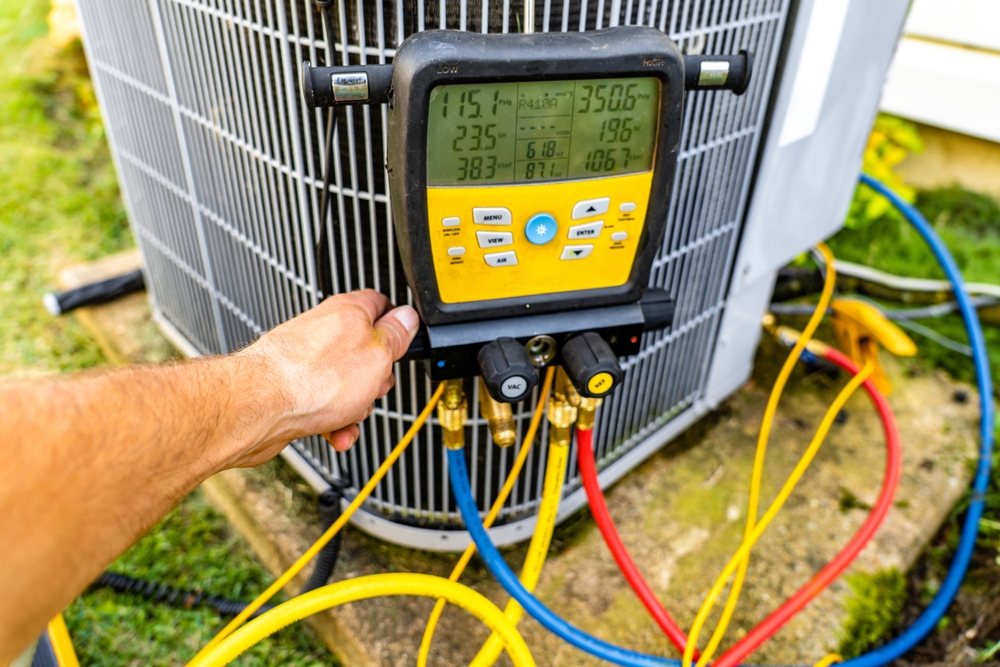
Should You Upgrade to a Higher SEER Unit?
Wondering if it’s worth upgrading your current air conditioner? Here are a few signs it’s time to consider a more efficient unit:
- Your AC is more than 10–15 years old
- Skyrocketing energy bills
- Certain rooms in your home don’t cool evenly
- Planning a remodel or energy efficiency upgrade
- You want to take advantage of variable-speed compressors or smart thermostats
Modern HVAC systems don’t just come packed with better performance, but also smarter functionality. Newer models often feature advanced features such as zoning controls and Wi-Fi integration. And if reducing your carbon footprint is part of your plan, a higher SEER system is a meaningful step in the right direction.
The best time to upgrade is before your current unit completely breaks down. Contacting a professional HVAC expert can help you plan without the pressure of a last-minute replacement.
SEER vs. EER: What’s the Difference?
While SEER is the most commonly used rating for residential air conditioning systems, you may also see the term “EER,” which stands for Energy Efficiency Ratio.
Though similar, they serve slightly different purposes. SEER measures energy efficiency over an entire cooling season, taking into account temperature fluctuations. On the other hand, EER measures energy efficiency at a single set temperature, usually 95°F.
For homeowners, SEER is the more practical and relevant measure because it reflects real-world performance over time. On the other hand, EER is often used more in commercial or equipment testing environments. Still, if you live in an area with consistently high temperatures, comparing both SEER and EER may help you understand how a system performs during extreme heat.
Do’s and Don’ts When Choosing an Energy-Efficient AC
Do:
- Ask a licensed technician to assess your current AC and ductwork.
- Weigh long-term energy savings against upfront installation costs.
- Look for ENERGY STAR® certification and rebate opportunities.
- Prioritize professional installation for accurate SEER performance.
- Schedule seasonal maintenance to address issues early and extend system life
Don’t:
- Rely on SEER alone, as system sizing and insulation matter just as much.
- Skip the evaluation-your home’s layout, sun exposure, and usage all affect performance.
- Assume a higher SEER is automatically better, making it better to match the system to your actual needs.
Proper guidance from an HVAC specialist ensures you don’t overspend or undercool your home.
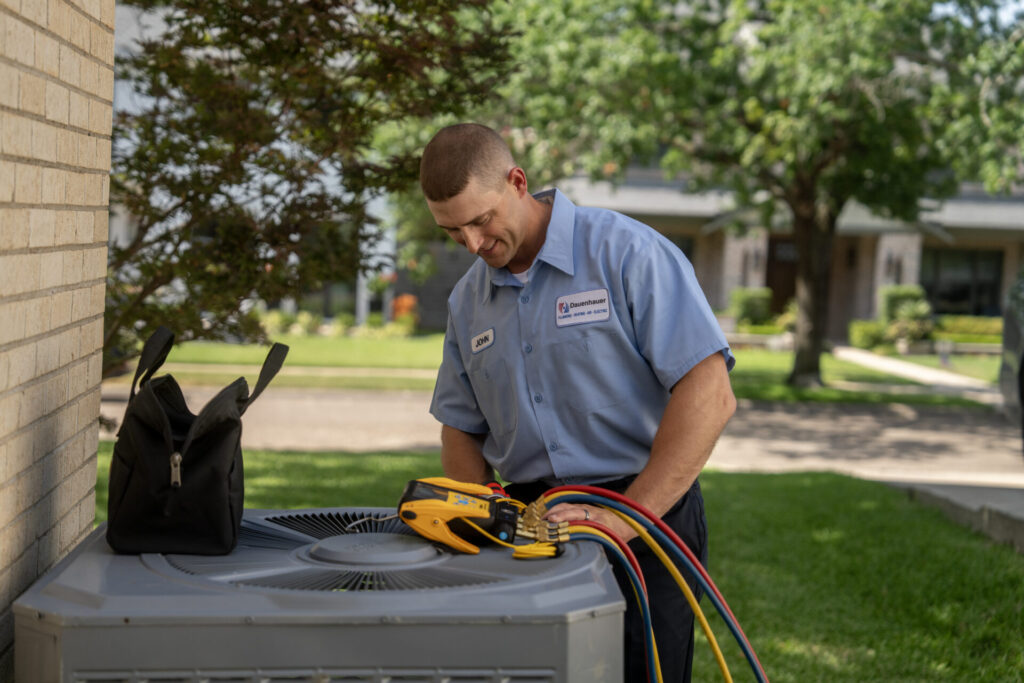
Schedule Your AC Efficiency Evaluation with Dauenhauer
Want to know how efficient your air conditioner is? Let the experts at Dauenhauer Plumbing, Heating & Air help. We offer tailored consultations based on your home’s layout, usage patterns, and energy goals, helping you make informed decisions about staying comfortable and keeping your energy bills low.
Our team provides professional AC SEER rating evaluations, personalized upgrade recommendations, and expert installation to keep you comfortable and your energy bills low. This is all backed by trusted local service that homeowners across Louisville, Lexington, and Southern Indiana count on every day.
Contact Dauenhauer Plumbing, Heating, & Air, or visit our website to get the smarter cooling you deserve.


